



Vanilla stands as one of the most cherished and versatile flavors in the world. From gourmet desserts and premium beverages to fragrances and cosmetics, its unmistakable aroma has maintained global appeal for centuries.
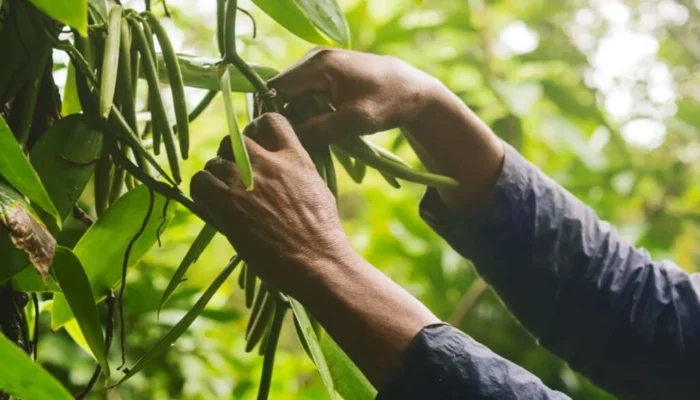

Although it is frequently associated with simplicity, vanilla is far from ordinary. Its cultivation demands meticulous care, and its global supply chain reflects a remarkable combination of agricultural precision, artisanal labor, and international trade.
Origins and Historical Background of Vanilla
Vanilla originates from the orchid species Vanilla planifolia, native to Mexico and parts of Central America. The Totonac people were the first recorded civilization to cultivate and cherish vanilla, often referring to it as a sacred plant.
After the arrival of the Spanish conquistadors in the 16th century, vanilla rapidly spread across Europe, where it was adopted as a luxurious spice reserved for nobility and elite culinary circles.
What distinguishes vanilla from other spices is its intricate pollination history. In its native region, vanilla orchids rely on a specific species of bee for natural pollination.
When vanilla was introduced to other parts of the world, this pollinator was absent, rendering natural reproduction nearly impossible.
This challenge led to the development of hand-pollination techniques in the 19th century, which allowed global cultivation to flourish and secured vanilla’s place as an international commodity.
The Complex Cultivation Process
Vanilla cultivation is widely considered one of the most labor-intensive agricultural processes in the world. The journey from orchid to vanilla bean involves several precise steps that require patience, knowledge, and constant monitoring.
1. Hand Pollination
Each vanilla flower blooms for only one day, and successful pollination must occur within this narrow window. Skilled farmers use a small tool to carefully lift the flower’s membrane and manually transfer pollen. This delicate process is often regarded as a craft, and improper technique can result in poor yields or low-quality beans.
2. Growth and Harvesting
After pollination, vanilla pods require approximately nine months to mature. Farmers must assess the proper harvest time by studying the pod’s color and firmness. If harvested too early, the beans lack flavor; if harvested too late, they may split or lose aroma.
3. Curing and Fermentation
Curing is the stage where green vanilla pods develop their iconic fragrance. This process typically involves:
- Blanching – heating the beans to halt growth
- Sweating – placing pods in insulated boxes to promote enzymatic reactions
- Drying – reducing moisture content under controlled sunlight
- Conditioning – storing beans for months to deepen flavor
This combination of methods, executed over several months, produces the rich, complex aroma that defines high-quality vanilla.
Major Vanilla-Producing Regions
Although vanilla is native to Mexico, the majority of today’s global supply originates from tropical regions around the equator. The most notable producers include:
- Madagascar: Known for Bourbon vanilla, regarded as the gold standard due to its creamy, sweet aroma.
- Indonesia: Produces large quantities with distinct smoky and woody notes.
- Uganda: Recognized for high vanillin content and bold flavor.
- Papua New Guinea: Offers vanilla with floral and fruity undertones.
Climate, soil composition, and curing traditions all contribute to regional variations, giving consumers a diverse range of flavor profiles to explore.
Economic Importance of Vanilla
Vanilla is one of the world’s most valuable spices, often surpassed in cost only by saffron. Its high market value stems from both its labor-intensive production and rising global demand in food, beverage, and fragrance industries.
Supply and Price Volatility
Vanilla prices can fluctuate dramatically due to seasonal storms, agricultural challenges, or shifts in demand. Regions like Madagascar are particularly susceptible to cyclones, which can devastate crops and lead to global supply shortages. These fluctuations influence international trade, encouraging some manufacturers to seek synthetic alternatives while inspiring others to invest in sustainable farming initiatives.
Efforts Toward Sustainability
Sustainability has become a crucial focus for the vanilla industry. Global brands, NGOs, and local governments are collaborating to support farmers through:
- Fair compensation programs
- Agroforestry initiatives
- Training in climate-resilient farming
- Improved curing infrastructure
These efforts aim to stabilize supply while enhancing livelihoods within agricultural communities.
Natural vs. Artificial Vanilla
As demand continues to rise, many manufacturers rely on artificial vanilla flavoring, also known as vanillin. Although synthetic vanillin replicates the primary flavor compound found in natural vanilla, it lacks the depth and complexity achieved through traditional curing methods.
Benefits of Pure Vanilla
Natural vanilla beans contain over 200 aromatic compounds, giving them a nuanced flavor profile prized by chefs and food artisans. Pure vanilla is favored in gourmet baking, premium ice cream, fine dining, and artisanal confectionery.
Uses of Artificial Vanillin
Synthetic vanillin is widely used in mass-produced foods, beverages, and perfumes due to its affordability. While it cannot fully replace the character of true vanilla, it provides a cost-effective alternative for large-scale manufacturing.
Culinary and Industrial Applications
Vanilla’s versatility is one of the primary reasons for its enduring popularity.
Culinary Uses
Vanilla enhances both sweet and savory dishes. Some of its most common culinary applications include:
- Cakes, pastries, and cookies
- Ice cream and custards
- Chocolates and confectionery
- Yogurts and beverages
- Marinades and glazes for select dishes
Chefs often emphasize that pure vanilla acts as a flavor enhancer, deepening and refining other ingredients.
Industrial Applications
Beyond the culinary world, vanilla is widely used in:
- Perfumes
- Body care products
- Candles and home fragrances
- Aromatherapy
- Pharmaceuticals
Its calming scent and universal appeal make it a staple in wellness and beauty industries.
Vanilla from Indonesia
Vanilla from Indonesia is highly regarded for its rich, deep flavor and aromatic quality. Indonesia is one of the world’s largest producers of vanilla, and its beans are known for a few distinctive characteristics that make them stand out:
- Rich Flavor Profile: Indonesian vanilla beans typically have a full-bodied, creamy, and slightly smoky flavor with hints of chocolate, caramel, and spice. This complexity makes it perfect for a variety of uses, from baked goods to ice creams and perfumes.
- Large, Moist Beans: Indonesian vanilla beans are often larger and more moist compared to beans from other regions. This makes them perfect for scraping out the flavorful seeds and adding them directly to recipes or infusing liquids.
- Authenticity and Organic Cultivation: Many Indonesian vanilla farms operate using traditional, organic farming practices. The beans are often grown without chemical fertilizers or pesticides, which not only makes them more sustainable but also ensures that the flavor is as pure as possible.
- Fermentation and Curing Process: The curing process of Indonesian vanilla beans is meticulous and essential for enhancing their flavor. The beans are hand-harvested and carefully cured in the sun, resulting in a rich, glossy appearance and a flavor profile that can’t be easily replicated.
- Affordability: While Indonesian vanilla is still considered a premium product, it is often more affordable compared to other high-end varieties, like those from Madagascar, making it an excellent choice for both commercial and home use.
If you ever have the chance to try Indonesian vanilla, whether in its pure form as a vanilla pod or in vanilla extract, you’ll notice its distinctive depth and warmth that many people find richer than other types of vanilla.
The Future of Vanilla
Advancements in agricultural technology, sustainable farming, and ethical trade are reshaping the future of vanilla production. Researchers are exploring improved pollination methods, disease-resistant plant varieties, and innovative curing techniques. Meanwhile, global consumers continue to prioritize natural and authentic ingredients, suggesting that demand for pure vanilla will remain strong.
As sustainability initiatives mature, the industry hopes to achieve greater price stability and improved working conditions for farmers. This evolving landscape may lead to more consistent access to high-quality vanilla while preserving the cultural and agricultural heritage associated with its cultivation.
Conclusion
Vanilla is far more than a simple flavoring; it is a testament to human ingenuity, agricultural dedication, and centuries of global trade. Its rich history, complex production process, and diverse applications underscore its significance across culinary, cultural, and industrial sectors. As the world continues to appreciate natural ingredients, vanilla’s timeless allure persists, ensuring its status as one of the most treasured spices in modern society.