

Popular
Featured
Permata Mutiara Maja
- 0895-1771-2510
- 6 December 2025





The Next Serpong
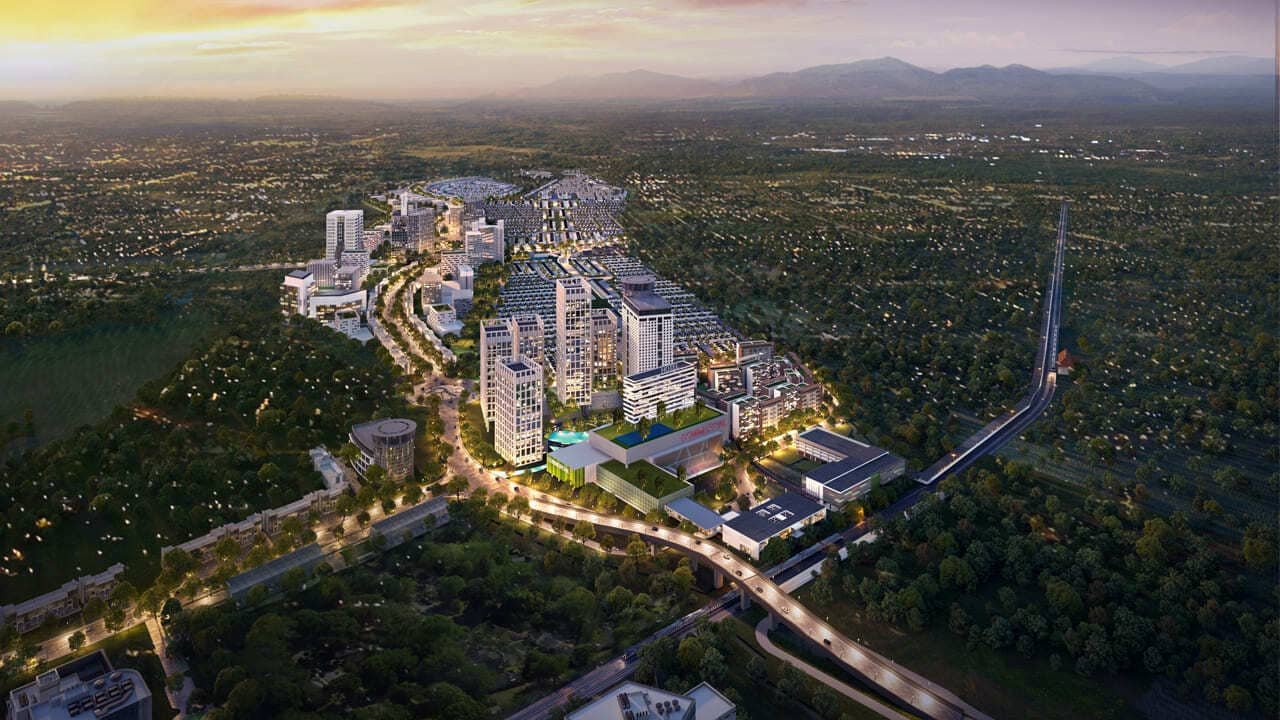
Kota Podomoro Tenjo is one of the largest new township developments in the western corridor of Greater Jakarta. Developed by Agung Podomoro Land, the project is designed as a “kota mandiri” or self-sustaining satellite city aimed at middle-income families, commuters, and first-time homebuyers seeking more affordable housing outside central Jakarta. The township spans around 650 hectares in Tenjo, Bogor Regency, West Java, and is often marketed as “The Next Serpong” because of its long-term ambition to become a major suburban growth center similar to BSD City or Gading Serpong.
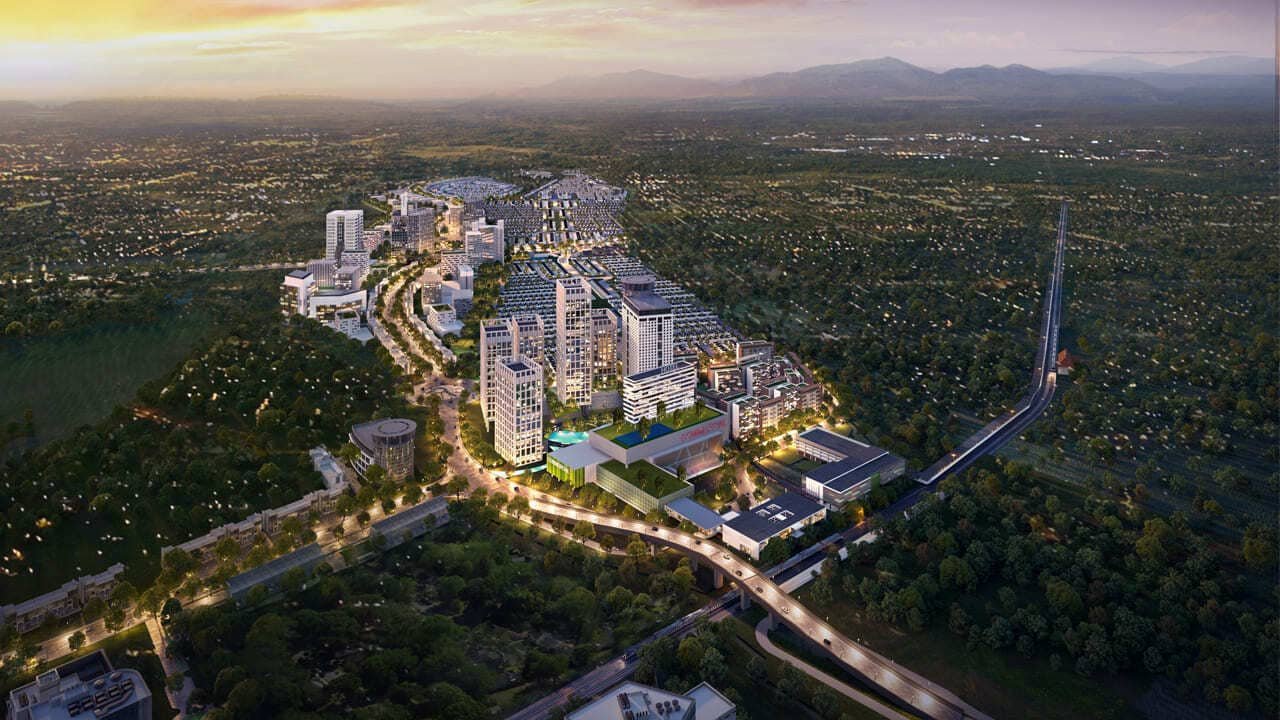
One of the biggest selling points of Kota Podomoro Tenjo is accessibility. The township sits near the Serpong–Rangkasbitung KRL commuter rail line, with nearby access to Tenjo and Tigaraksa stations. Marketing materials emphasize that residents can reach Jakarta in roughly 40 minutes by commuter train, though actual travel times vary depending on destination and traffic. The development also benefits from planned infrastructure such as the Serpong–Balaraja toll road, which is expected to improve road connectivity to Tangerang and Jakarta.
The project adopts a Transit-Oriented Development (TOD) concept. In Indonesian property development, TOD has become a major trend because it combines housing, commercial facilities, and public transport access in a walkable environment. Kota Podomoro Tenjo promotes itself as a “Grand TOD” area with integrated residential and commercial zones linked to mass transportation.
Environment and green space are another central theme. The township includes a “Green Belt” concept with landscaped parks, lakes, pedestrian pathways, and open-air recreational areas intended to create a healthier suburban lifestyle. International landscape consultant Palmscape from Singapore reportedly contributed to the project’s greenery and master planning.
In terms of housing, Kota Podomoro Tenjo targets the affordable-to-mid-range market. Early promotional campaigns advertised homes starting around Rp200–300 million, making the project attractive to young families and millennials priced out of Jakarta’s expensive property market. Units generally use modern minimalist or tropical-modern designs with compact layouts and “growing house” concepts, allowing owners to expand their homes later as their finances improve.
Facilities are a major part of the township’s branding. Plans include clubhouses, swimming pools, fitness centers, co-working spaces, private cinemas, retail areas, schools, lakeside gardens, and future commercial districts. The developer positions the area not merely as a housing estate but as a fully integrated township where residents can live, work, and socialize without needing to travel far.
The project has also received several Indonesian property awards, including recognition for affordable housing and TOD-based residential development. These awards are commonly used in marketing to build buyer confidence and reinforce the image of the township as an emerging growth area.
However, like many large-scale suburban projects in Indonesia, Kota Podomoro Tenjo faces challenges and mixed public perceptions. Some online discussions praise the affordability and long-term investment potential, especially given ongoing infrastructure development in western Greater Jakarta. Others question whether the area can mature quickly enough to support all the promised facilities and commercial activity. Concerns sometimes raised by residents or observers include distance from established urban centers, dependency on future infrastructure projects, and limitations in existing public services.
Tenjo itself has historically been a quieter and less developed area compared with BSD, Alam Sutera, or central Tangerang. Because of that, the success of the township depends heavily on continued infrastructure growth and population migration from Jakarta’s overcrowded core. This pattern is common in Jabodetabek, where rising land prices in the capital push developers farther outward into Bogor, Tangerang, and Bekasi. Kota Podomoro Tenjo is part of this broader suburban expansion trend.
From an investment perspective, many buyers are attracted by the possibility of future appreciation if the Serpong–Balaraja toll road and TOD ecosystem fully materialize. Early buyers often see projects like this as long-term bets on urban expansion. The reputation of Agung Podomoro Land, one of Indonesia’s best-known developers, also gives the project additional credibility. The company has previously developed major urban projects including Central Park and Senayan City in Jakarta.
Overall, Kota Podomoro Tenjo represents a modern Indonesian satellite-city project focused on affordability, transportation access, and integrated township living. Its future success will likely depend on infrastructure delivery, population growth, and the developer’s ability to turn ambitious master plans into a mature urban environment over the next decade.



Trusted Reviewer
Overall, Kota Podomoro Tenjo represents a modern Indonesian satellite-city project focused on affordability, transportation access, and integrated township living. Its future success will likely depend on infrastructure delivery, population growth, and the developer’s ability to turn ambitious master plans into a mature urban environment over the next decade.