



Introduction to Citizen Journalism
Citizen journalism has emerged as a powerful force in the modern media landscape, transforming ordinary individuals into active news contributors. In an era driven by digital technology, smartphones, and social media platforms, citizens are no longer passive consumers of information. Instead, they actively gather, report, analyze, and disseminate news and events happening around them.
Citizen journalism plays a crucial role in promoting transparency, democracy, and freedom of expression. By allowing people to report firsthand experiences, it complements traditional journalism and fills information gaps, especially in areas that are underreported by mainstream media.

What Is Citizen Journalism?
Citizen journalism refers to the practice of non-professional individuals participating in the process of collecting, reporting, and sharing news. These individuals, often called citizen journalists, may use blogs, social media, online forums, video platforms, or independent news websites to publish content.
Unlike traditional journalism, citizen journalism does not always follow formal newsroom structures. However, its core values—truth, public interest, and social responsibility—remain essential for credibility and impact.
The Rise of Citizen Journalism in the Digital Age
The rapid growth of citizen journalism is closely linked to technological advancements. Affordable smartphones, widespread internet access, and social media platforms such as X (formerly Twitter), Facebook, Instagram, YouTube, and TikTok have democratized information sharing.
- Key factors driving the rise of citizen journalism include:
- Real-time reporting from eyewitnesses
- Instant global reach through social media
- Low cost of publishing content
- Public distrust in mainstream media
- Demand for diverse and alternative perspectives
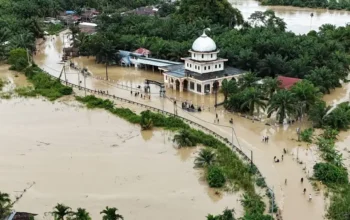
During natural disasters, social movements, political protests, and public emergencies, citizen journalists often become the first sources of information, providing timely updates when traditional media cannot reach the scene quickly.
The Role of Citizen Journalism in Society
Citizen journalism serves several important functions in modern society:
1. Strengthening Democracy
By giving people a voice, citizen journalism encourages civic participation and public discourse. It helps hold authorities accountable and highlights issues affecting local communities.
2. Amplifying Marginalized Voices
Mainstream media may overlook minority groups or remote regions. Citizen journalism enables marginalized communities to tell their own stories and share perspectives often ignored by large media organizations.
3. Enhancing Media Diversity
Citizen journalism adds variety to news coverage by presenting different angles, experiences, and interpretations of events, enriching the public’s understanding of complex issues.
4. Supporting Transparency and Accountability
Videos, photos, and eyewitness reports shared by citizens can expose corruption, human rights violations, and social injustices, pushing institutions to respond.
Citizen Journalism vs. Traditional Journalism
While citizen journalism complements traditional journalism, there are key differences:
| Aspect | Citizen Journalism | Traditional Journalism |
|---|---|---|
| Training | Mostly self-taught | Professionally trained |
| Platform | Social media, blogs | Newspapers, TV, radio |
| Speed | Very fast | Moderated pace |
| Editing | Minimal or none | Strict editorial process |
| Accountability | Individual-based | Institutional responsibility |
Despite these differences, collaboration between citizen journalists and professional media has become increasingly common, with mainstream outlets verifying and publishing citizen-generated content.
Ethical Principles in Citizen Journalism
To maintain credibility and public trust, citizen journalists must follow ethical standards similar to professional journalists. These include:
- Accuracy and fact-checking before publishing
- Objectivity and fairness
- Respect for privacy
- Avoidance of hate speech and misinformation
- Clear distinction between facts and opinions
Educating citizen journalists about media ethics is essential to prevent the spread of hoaxes, fake news, and disinformation.
Challenges and Risks of Citizen Journalism
Despite its benefits, citizen journalism faces several challenges:
1. Misinformation and Fake News
Without proper verification, false information can spread rapidly, causing public confusion and harm.
2. Legal and Safety Risks
Citizen journalists may face legal threats, harassment, or physical danger, especially when reporting sensitive issues.
3. Lack of Professional Standards
Not all citizen journalists understand journalistic ethics, leading to biased or incomplete reporting.
4. Platform Dependency
Content visibility often depends on social media algorithms, which can limit reach or promote sensationalism.
Addressing these challenges requires digital literacy, ethical awareness, and supportive legal frameworks.
How to Become a Responsible Citizen Journalist
Anyone can become a citizen journalist by following these steps:
- Stay informed about current issues and local events
- Use reliable tools, such as smartphones and credible online platforms
- Verify information from multiple sources
- Document events responsibly with photos, videos, and notes
- Write clearly and objectively
- Engage ethically with audiences and sources
Training programs, workshops, and online courses can help improve journalistic skills and ethical awareness among citizen journalists.
The Future of Citizen Journalism
The future of citizen journalism looks promising as digital technology continues to evolve. Artificial intelligence, live streaming, and data journalism tools are expanding opportunities for citizens to contribute meaningfully to news production.
However, sustainability depends on improving media literacy, strengthening ethical practices, and fostering collaboration between citizen journalists, professional media, and civil society organizations.
As audiences become more critical of information sources, credible and responsible citizen journalism will play an increasingly important role in shaping public opinion and democratic life.
Conclusion
Citizen journalism is a vital component of today’s media ecosystem. It empowers individuals, strengthens democracy, and ensures diverse voices are heard. While challenges such as misinformation and ethical concerns remain, the positive impact of citizen journalism cannot be ignored.
By promoting responsible reporting, digital literacy, and ethical standards, citizen journalism can continue to serve as a powerful tool for public awareness, social change, and community empowerment in the digital age.
This article is created with ChatG